Understanding the Fundamentals of Male Nutrition
Explore the essential components of a balanced diet and discover how proper nutrition supports overall well-being. This educational resource provides foundational knowledge about nutrients, dietary patterns, and the principles of healthy eating.
Educational content only. No promises of outcomes.

The Pillars of Male Nutrition
A balanced diet for men typically rests on three fundamental pillars that work together to support bodily functions and overall health.
Macronutrients
Carbohydrates, proteins, and fats are the primary energy sources. Each plays a distinct role in providing energy, building tissues, and regulating bodily processes.
Micronutrients
Vitamins and minerals are essential for enzyme function, immune support, and metabolic processes. They are required in smaller quantities but are critical for optimal health.
Hydration
Water is fundamental to all bodily functions. Proper hydration supports nutrient transport, temperature regulation, and overall physiological balance.
Essential Vitamins and Minerals Explained
These key nutrients play important roles in maintaining various bodily functions. Understanding their general roles helps illustrate why dietary diversity matters.
Vitamin D
Tap to learn more
Vitamin B Complex
Tap to learn more
Iron
Tap to learn more
Zinc
Tap to learn more
Magnesium
Tap to learn more
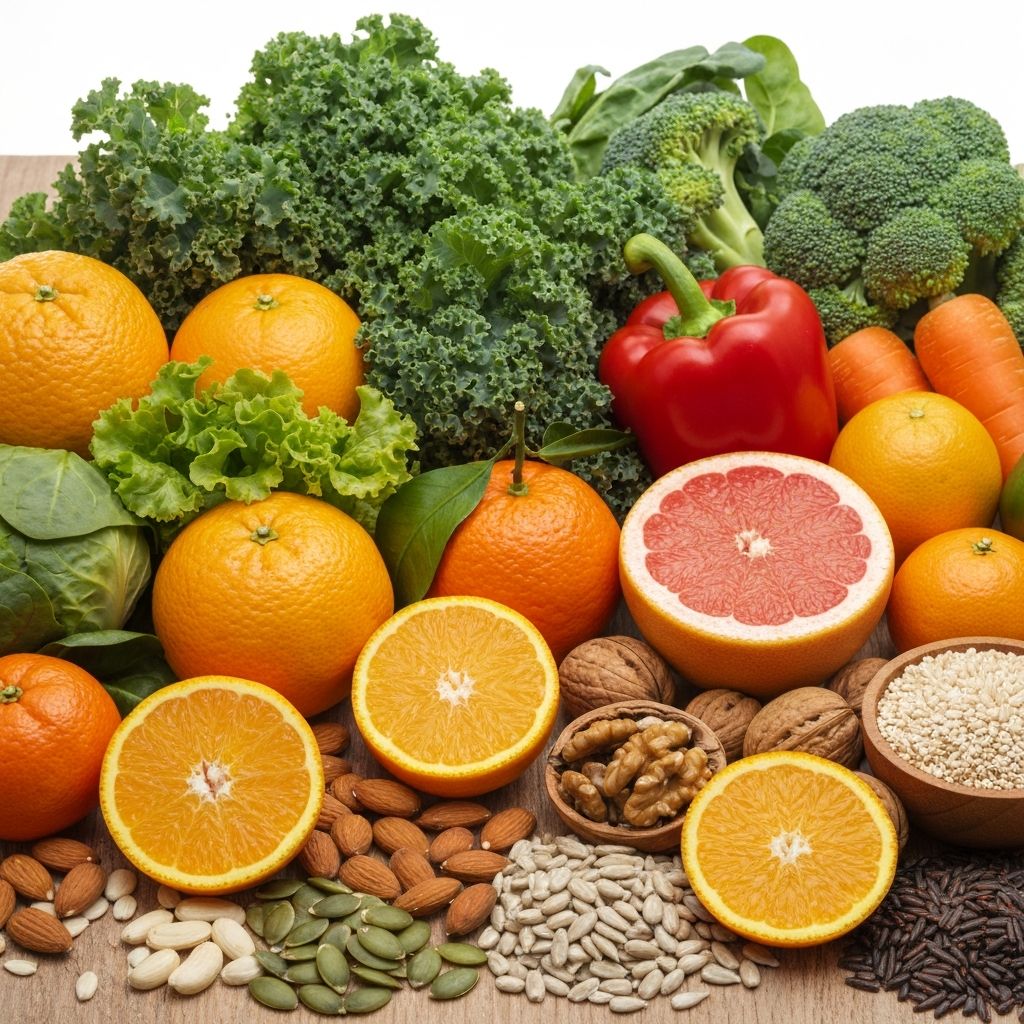
Balancing Macronutrients for Energy
Carbohydrates: The Primary Energy Source
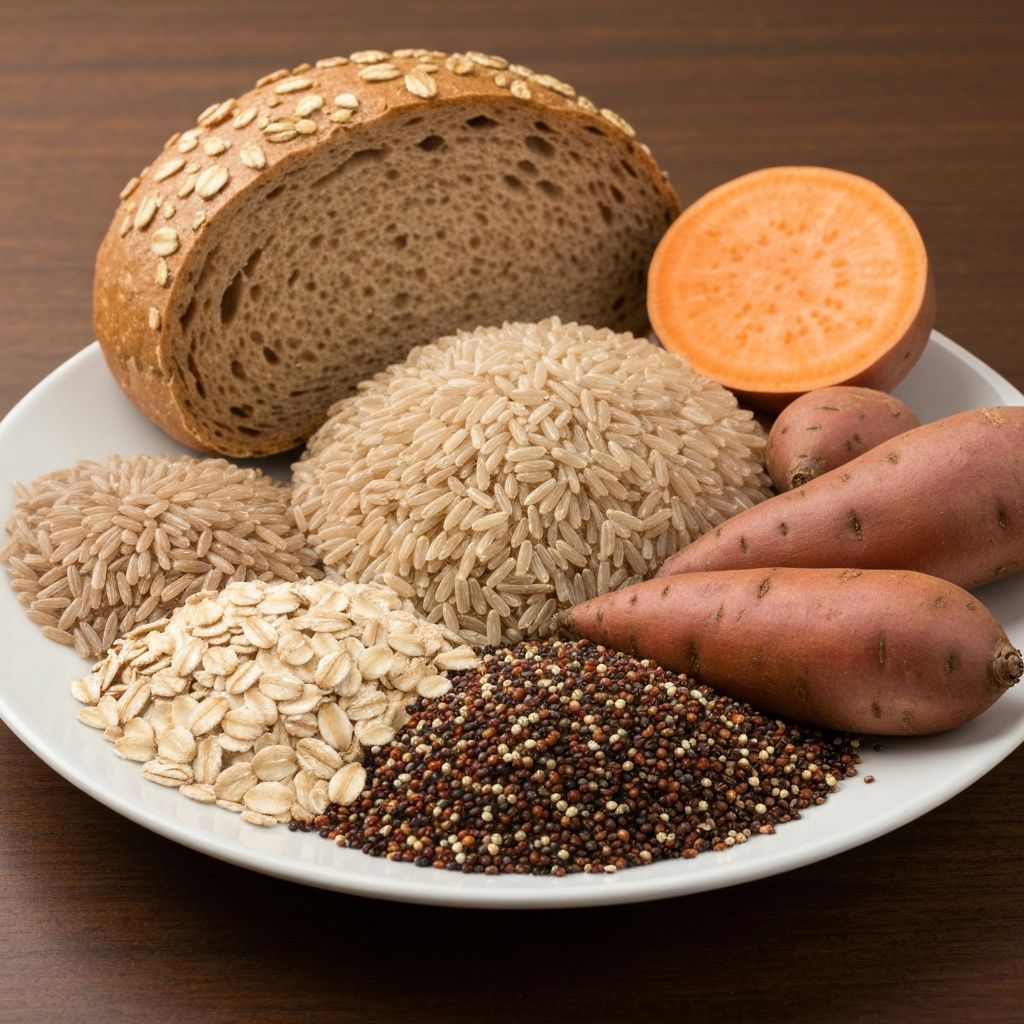
Carbohydrates are the body's preferred source of energy. They are broken down into glucose, which fuels the brain and muscles. Understanding the distinction between simple and complex carbohydrates helps explain dietary choices:
- Complex carbohydrates (whole grains, legumes, vegetables) provide sustained energy
- Common sources include brown rice, oats, whole wheat bread, and sweet potatoes
- These foods also contain fiber, which supports digestive health
Proteins: Building and Repair
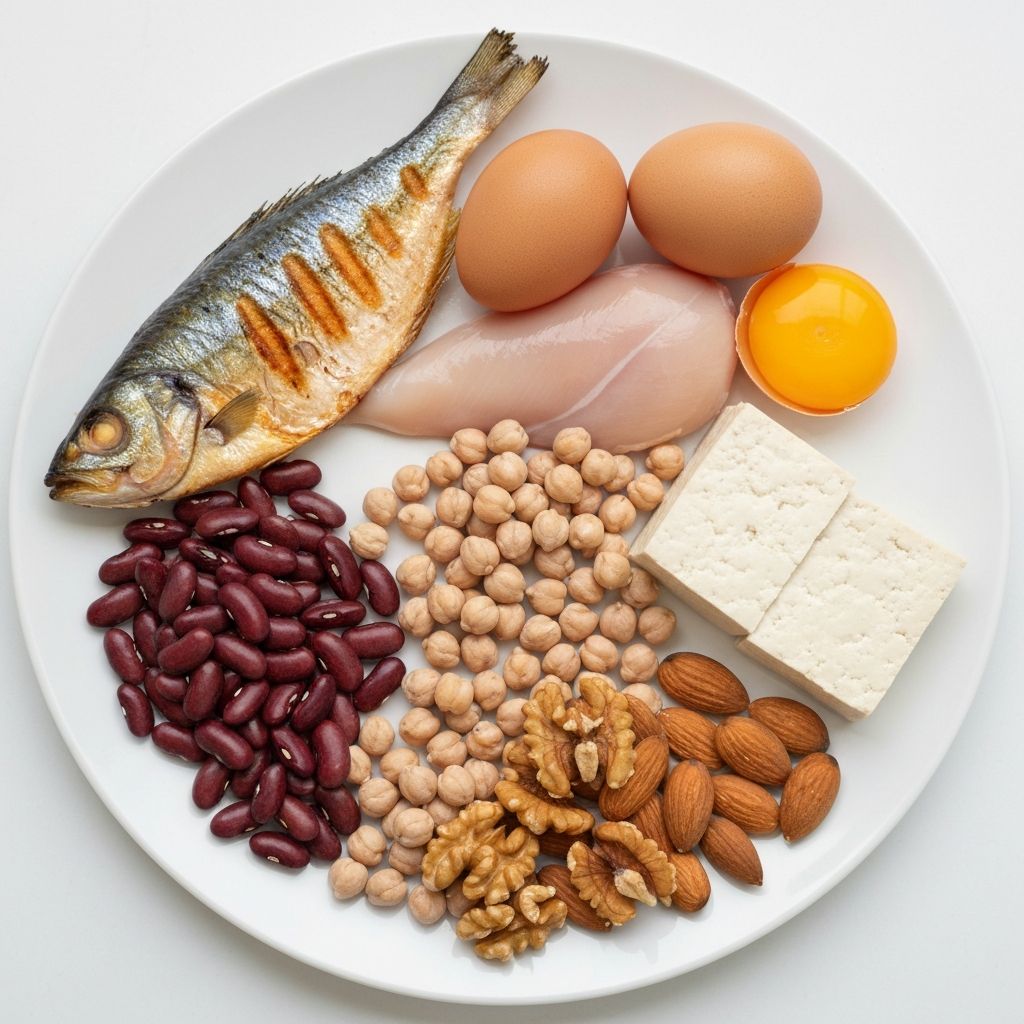
Proteins are essential amino acids that build and repair tissues, create enzymes, and support immune function. Diverse protein sources provide different nutrient profiles:
- Lean meats, fish, and poultry are efficient protein sources
- Plant-based options include legumes, nuts, seeds, and whole grains
- Each source brings unique micronutrients and health benefits
Fats: Essential and Important
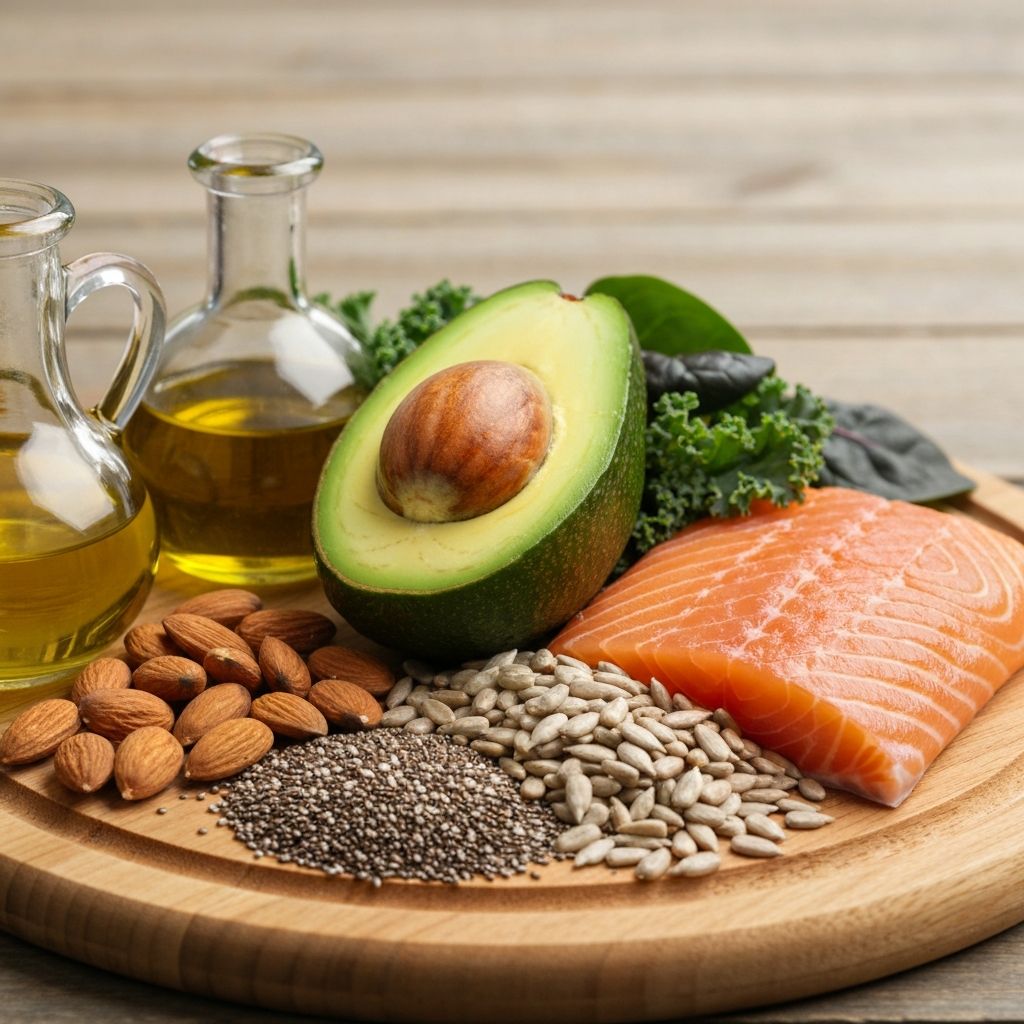
Dietary fats are crucial for hormone production, nutrient absorption, and cell function. Not all fats are equal—understanding the distinction supports informed choices:
- Unsaturated fats (from nuts, seeds, oils) support heart health
- Sources include avocados, olive oil, fatty fish, and almonds
- Fats slow digestion and contribute to satiety
Hydration: An Overlooked Foundation
Water is the most essential nutrient, yet it is often overlooked. Adequate hydration is fundamental to all bodily processes. Here are key aspects of hydration:
- Water transports nutrients and oxygen to cells
- It regulates body temperature through perspiration
- Proper hydration supports cognitive function and energy levels
- Individual hydration needs vary based on activity level and climate
- Both water and water-rich foods (fruits, vegetables) contribute to daily intake
General guidance: Most individuals benefit from consistent water intake throughout the day, with adjustments for physical activity and environmental conditions.
Understanding Food Labels
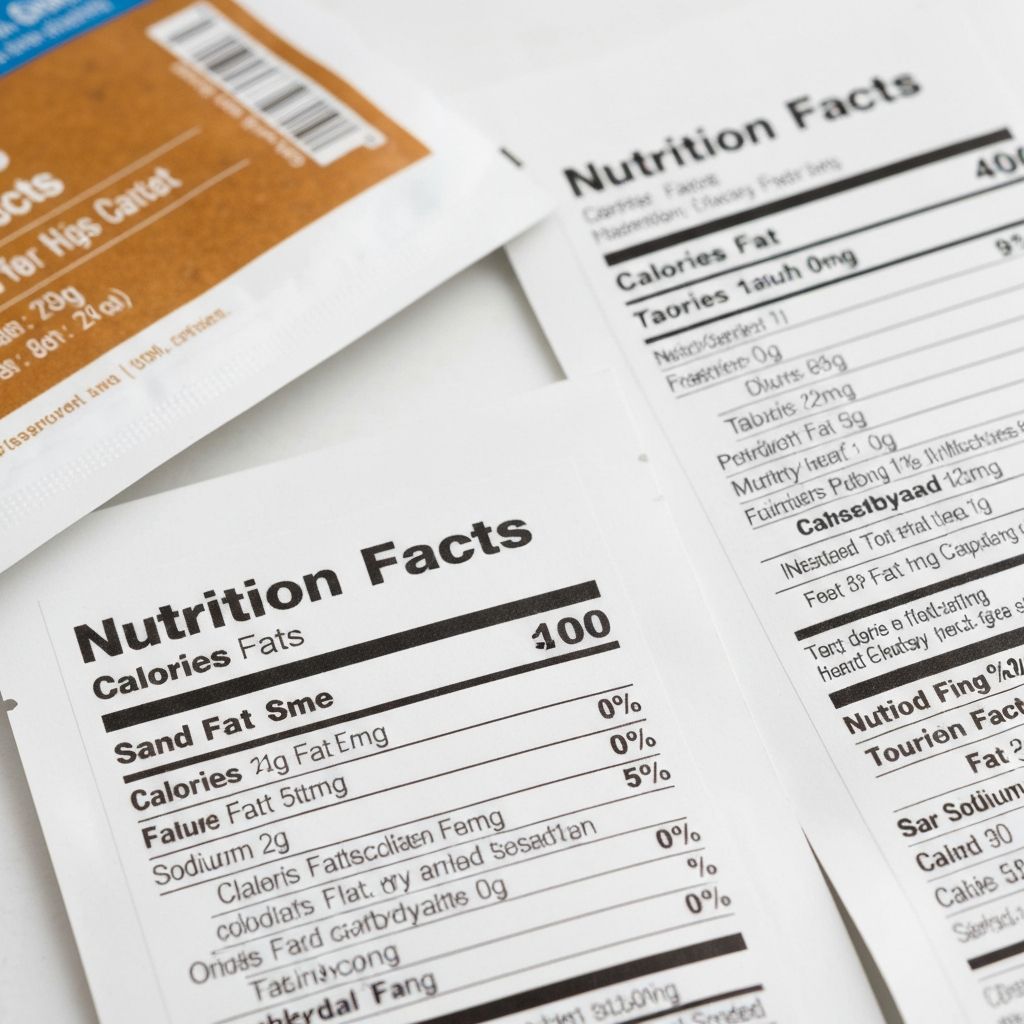
Reading nutrition facts panels empowers informed dietary choices. Here's how to interpret the key information:
Key Components to Understand
Food labels provide standardized nutritional information that can guide dietary decisions:
| Component | Purpose |
|---|---|
| Serving Size | Reference amount for all nutritional values |
| Calories | Energy content per serving |
| Macronutrients | Grams of carbs, protein, and fat |
| Micronutrients | Vitamins and minerals listed as % Daily Value |
Dietary Approaches: A General Overview
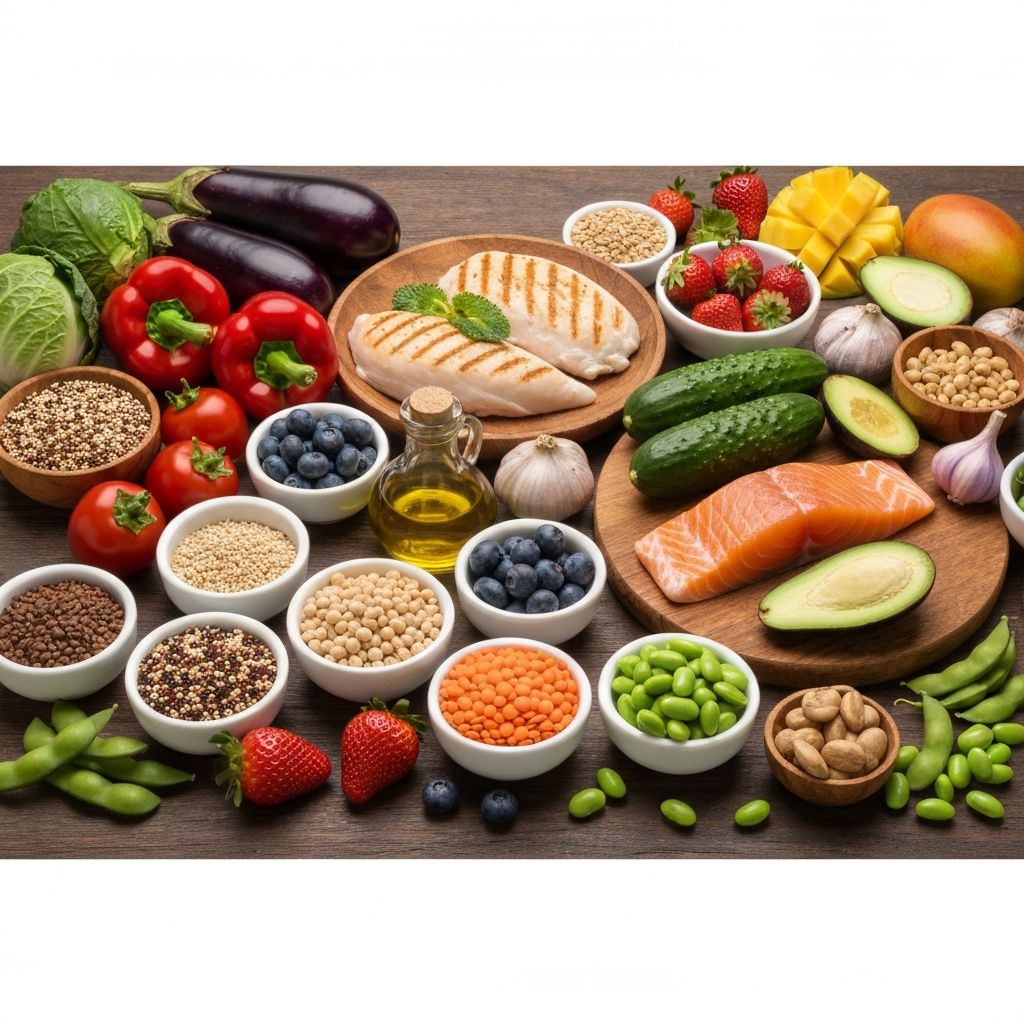
Various healthy eating patterns exist worldwide. Understanding different approaches illustrates the diversity of nutritionally sound choices.
Mediterranean Pattern
Emphasizes whole grains, vegetables, legumes, and healthy oils. Fish and moderate dairy are included. This pattern reflects traditional eating habits from Mediterranean regions.
Plant-Based Approaches
Range from vegetarian to vegan diets, focusing on vegetables, fruits, legumes, nuts, and whole grains. These patterns can be nutritionally complete when properly planned.
The Role of Active Lifestyle
Nutrition and Physical Activity: A Synergy
Good nutrition and physical activity work together to support overall well-being. While this site focuses on nutrition education, the broader context includes:
- Physical activity enhances cardiovascular health
- Regular movement supports muscle maintenance and bone density
- Exercise and proper nutrition together support mental well-being
- Activity levels influence overall energy and nutrient needs
This is educational information about general wellness principles, not medical advice.

Dispelling Common Nutritional Myths
Nutritional information evolves with research. Here are clarifications on common misconceptions:
Fact: Carbohydrates are the body's primary energy source. The type matters—complex carbohydrates from whole grains, vegetables, and legumes provide sustained energy and fiber. Refined carbohydrates are processed differently, but all carbohydrates have a role in nutrition.
Fact: Fats are essential. The distinction is important: unsaturated fats support heart health and nutrient absorption. Dietary fat is needed for hormone production and cell function. The focus should be on the type and amount, not elimination.
Fact: Protein sources are diverse. Legumes, nuts, seeds, whole grains, and dairy also provide protein along with other valuable nutrients. Different sources offer different micronutrient profiles, making variety beneficial.
Fact: Whole foods contain complex combinations of nutrients, fiber, and phytocompounds that supplements cannot fully replicate. Food should be the primary source of nutrients. Supplements may address specific gaps in certain circumstances.
Fact: Individual needs vary based on age, activity level, health status, and preferences. What matters is finding an eating pattern that is balanced, sustainable, and aligned with individual circumstances and cultural preferences.
Nutrient-Rich Food Spotlights
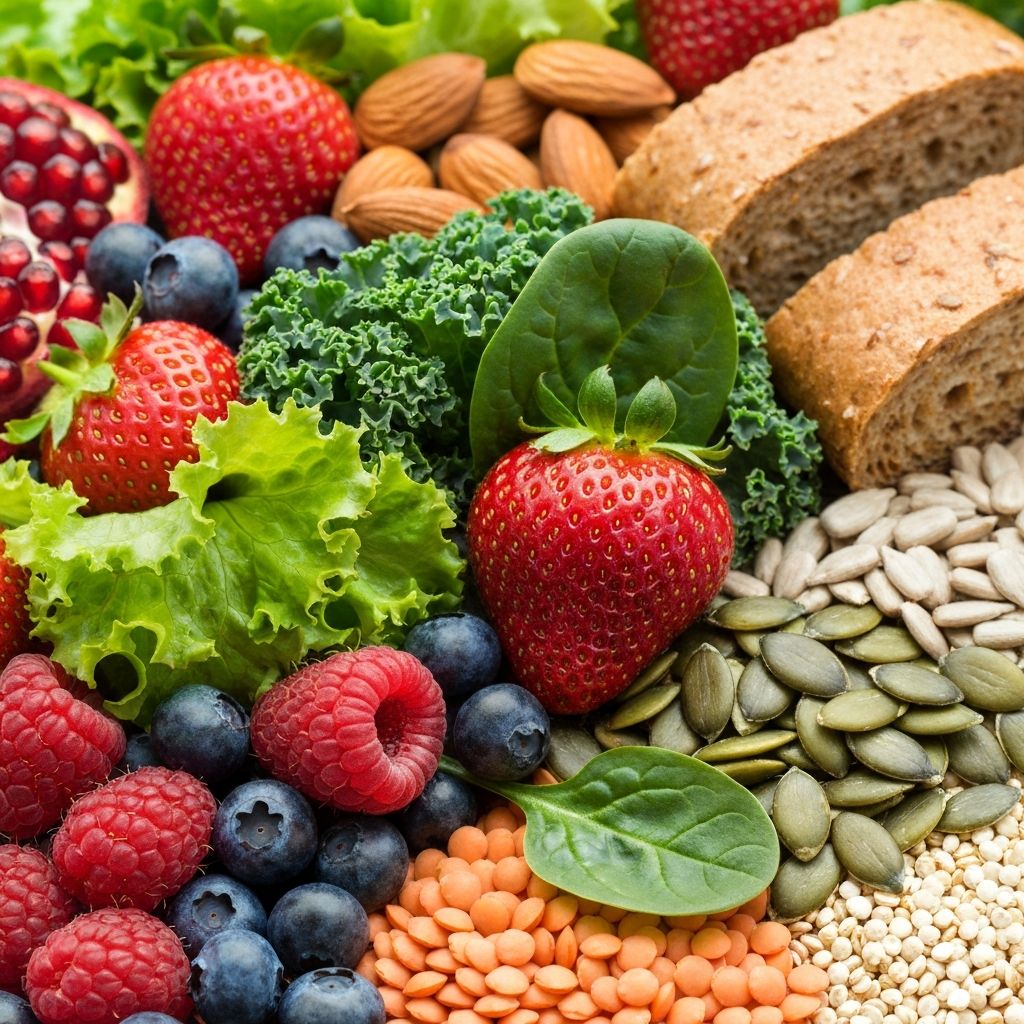
Diverse whole foods offer different nutrient profiles. Here is a selection of nutrient-dense foods often featured in healthy eating patterns:
Leafy Greens
Rich in vitamins A, C, K, and minerals. Low in calories, high in nutrients.
Berries
Contain fiber, antioxidants, and various vitamins. Versatile in preparation.
Legumes
High in protein, fiber, and minerals. Affordable and sustainable protein source.
Continue Exploring Our Educational Resources
Dive deeper into specific nutrition topics: